
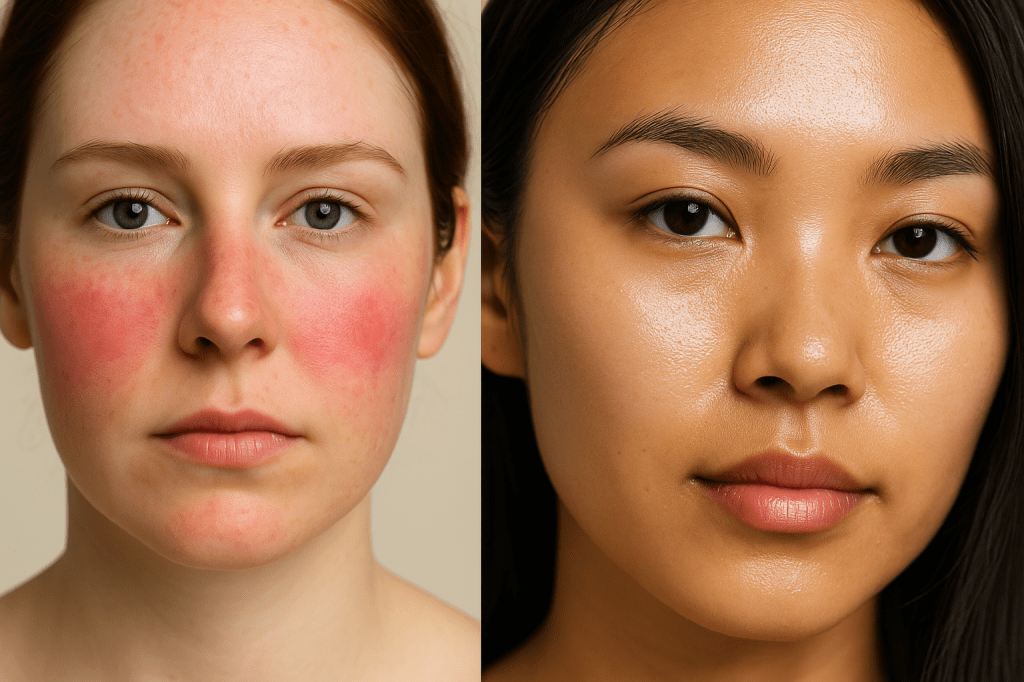
SkinCare breakouts, red skin, post hyperpigmitation etc. The journey of acne or any skincare concern is a never ending battle it feels like. The best and difficult part of today is we have so many choices to help us find the right product and/or ingredient to help our concern.
When it comes to choosing the right active ingredients for acne, redness, or uneven skin tone, two names always pop up: Azelaic Acid and Niacinamide.
Currently, I am activity using Anua Azelaic Acid 10% for my acne and retinol purge, but became interested in what Niacinamide can do – which lead to me researching and writing this blog post 😊.
Both are dermatologist-loved, beginner-friendly, and suitable for sensitive skin. But which one is right for you and why? Let’s break down what each ingredient does, how they’re different, and when to use them.
What is Azelaic Acid?
Azelaic acid is a dicarboxylic acid derived from grains and naturally found on the skin. It’s commonly used in both over-the-counter and prescription-strength formulations.
Benefits of Azelaic Acid:
- Treats mild to moderate acne
- Reduces redness and inflammation (great for rosacea-prone skin)
- Helps fade post-inflammatory hyperpigmentation (PIH) and dark spots
- Has antibacterial and keratolytic properties
Formulations Available:
- 10% (OTC): Widely available, gentle enough for most skin types.
- 15–20% (Prescription): More effective for persistent acne, rosacea, or stubborn pigmentation.
The product I have used for treated my PIH is Anua Azelaic Acid 10% + Hyaluronic Redness Soothing Serum, click here for a more in-depth review!
What is Niacinamide?
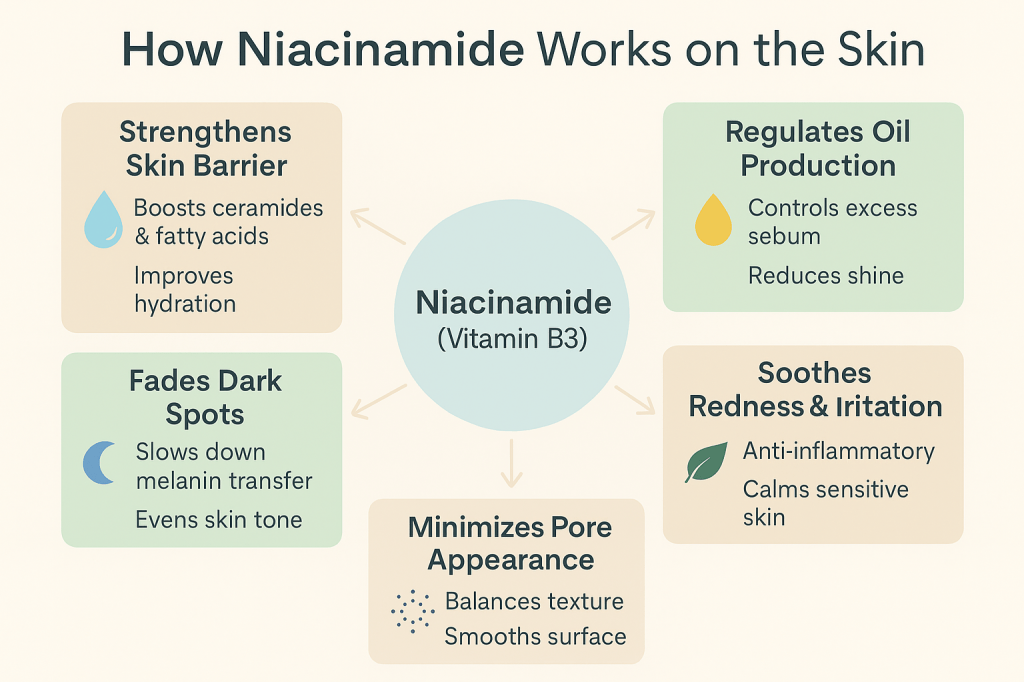
Niacinamide, also known as Vitamin B3, is a water-soluble vitamin that supports the skin barrier and regulates oil production. It’s one of the most versatile skincare ingredients, is used is many skincare products alongside other actives, and pairs well with most routines.
Benefits of Niacinamide:
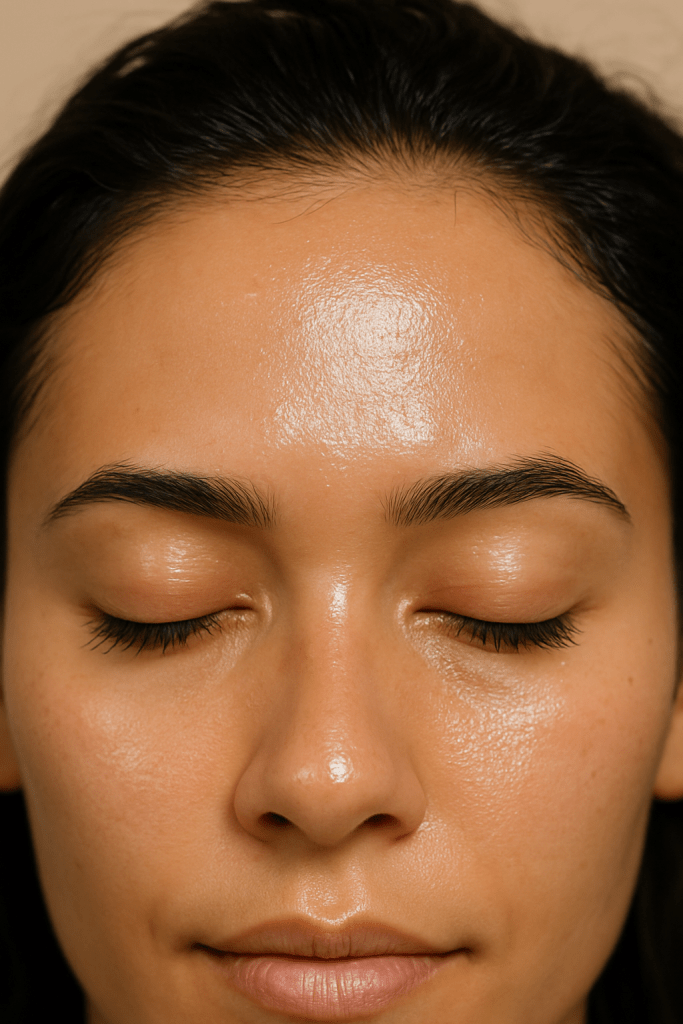
- Balances oil production (great for oily skin)
- Minimizes enlarged pores
- Strengthens skin barrier, reducing sensitivity
- Fades hyperpigmentation over time
- Improves fine lines and overall texture
Formulations Available:
- Typically 2–10% in serums or moisturizers – mostly water based type products that can help with penetration.
- Higher concentrations (15%+) exist but can sometimes cause irritation.
Key Differences Between Azelaic Acid and Niacinamide
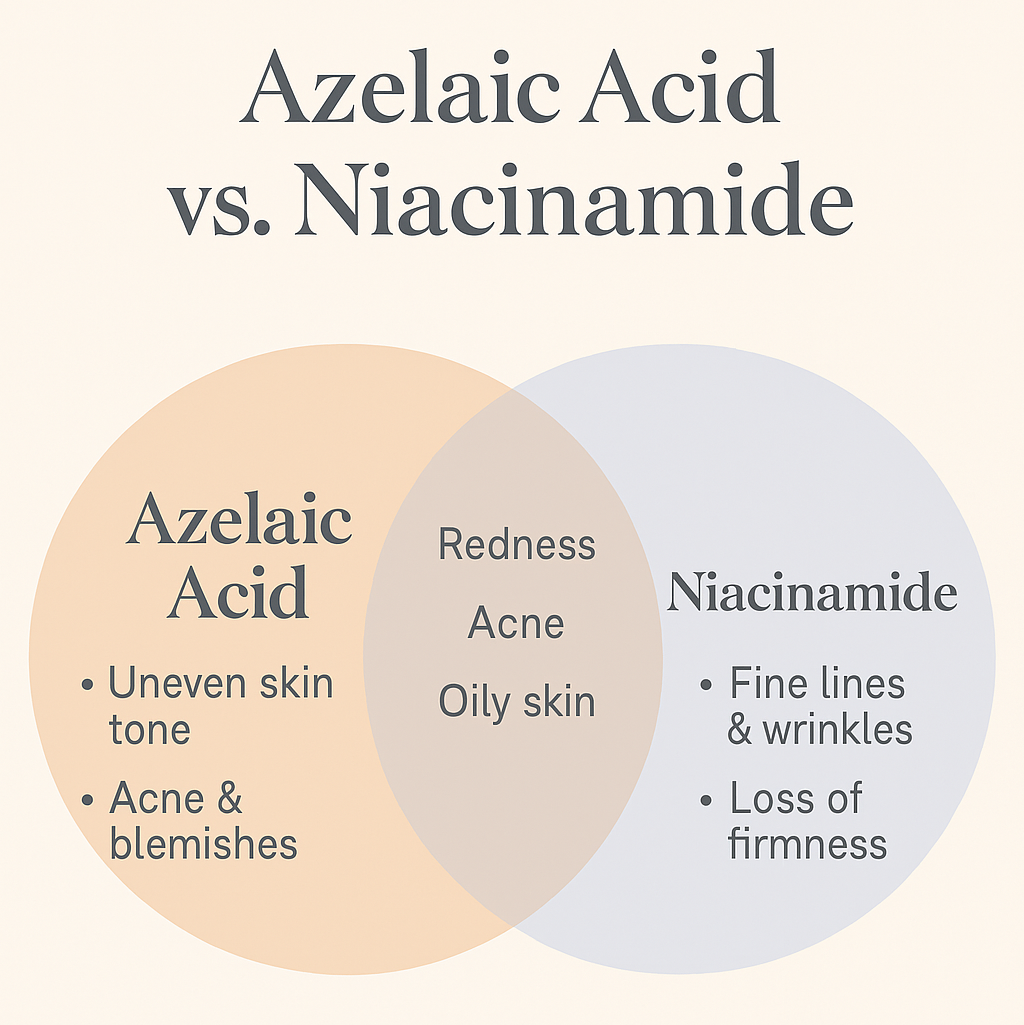
- Potency: Azelaic acid is stronger for acne and rosacea; niacinamide is gentler and barrier-supportive.
- Focus: Azelaic acid = targeted treatment for acne/redness; Niacinamide = all-rounder for barrier + oil balance.
When Should You Use Each Product?
- Azelaic Acid: Best used in the evening (can be drying, though mild enough for AM in some routines).
For me, I am able to use Anua’s Azelaic Acid in the morning and evening now due to building up my toleration to it.
- Niacinamide: Flexible — can be used morning and night. Often layered with Vitamin C or retinoids.
Where Can You Use Them?
- Azelaic Acid: Face, neck, and also effective on body for acne or acne scars (back, chest).
- Niacinamide: Safe for face and body — commonly found in body lotions for smoothing and brightening.
What You Shouldn’t Mix Them With
- Azelaic Acid: Avoid layering with strong exfoliating acids (AHAs, BHAs) in the same routine to prevent irritation. Although in general, azelaic acid tends to complement most routines with other actives being used – like retinol.
- Niacinamide: Generally safe, but high concentrations can sometimes clash with Vitamin C (though modern formulations minimize this issue).
Since closed comedones, and active acne from my retinol purge is still going, using azelaic Acid with my adapalene gel in the evening or vitamin c in the morning has not caused me any issues and has helped with my PIH acne scarring and redness.
Which Skin Concerns They Target Best
- Azelaic Acid: Acne, rosacea, hyperpigmentation, redness.
- Niacinamide: Oily skin, large pores, dullness, uneven tone, sensitive skin.
Final Thoughts
Both azelaic acid and niacinamide are powerful skincare allies, and many people use them together for a comprehensive routine. If acne and redness are your main concerns, start with azelaic acid. If you’re focused on barrier support, oil control, and gentle brightening, niacinamide is your go-to. Currently, I have been using Azalaic Acid as my go to for my PHI and redness for acne, but now as I hope my retinol purge comes to an end, I thought to look into what Niacinamide can do.
It might be better to use niacinamide in the morning with azelaic acid in the evening to get both benefits but will see. Look forward to trying new niacinamide products and writing a future review!

