
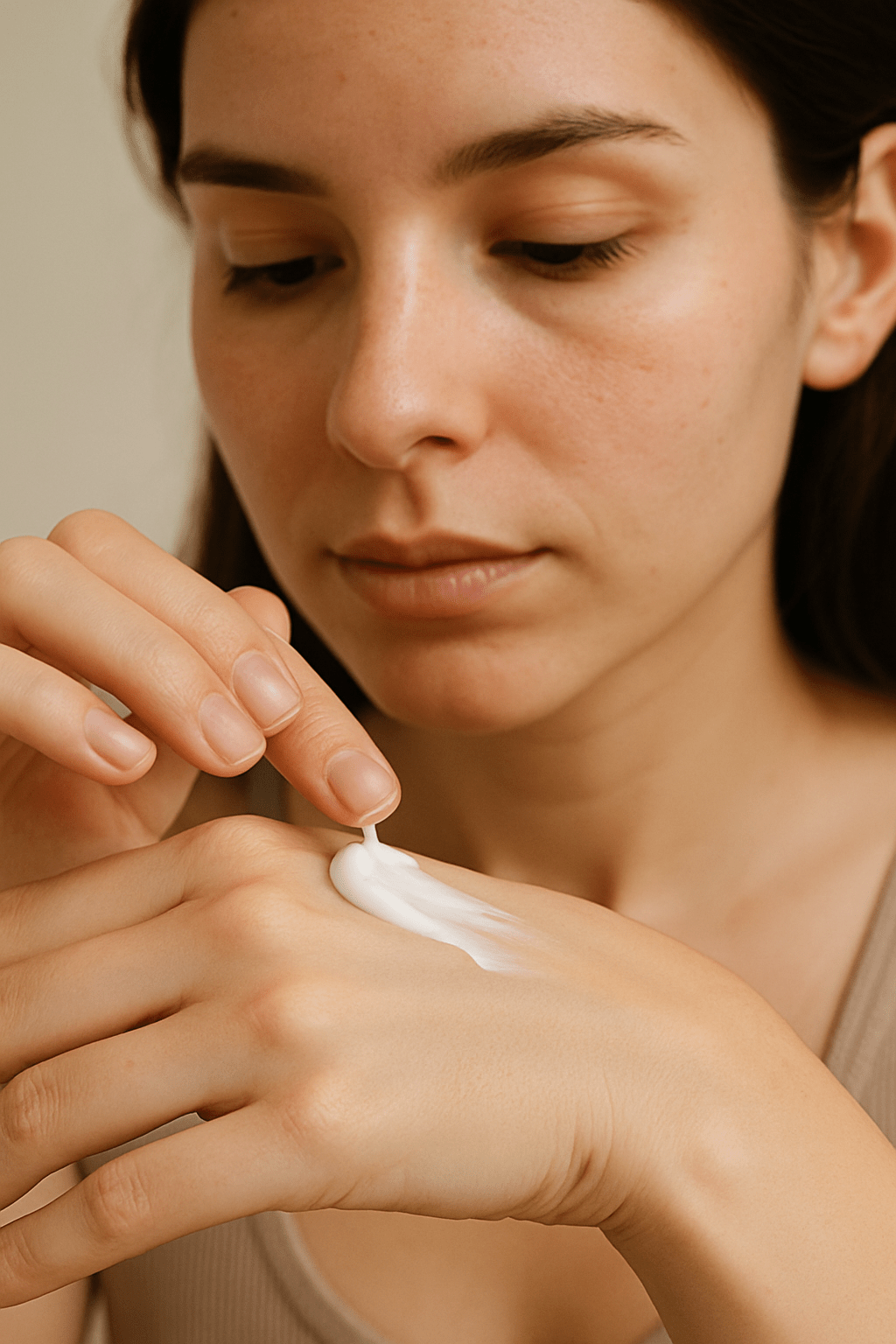
Retinol is one of the most effective skincare ingredients for acne, fine lines, and uneven texture—but let’s be honest, the first few weeks can be rough.
Many people experience redness, dryness, flaking, and breakouts—commonly called the “Retinol Uglies”. The good news? This phase is temporary, and with the right approach, you can power through while keeping your skin as comfortable as possible.
As someone who had taken a massive break from retinol and just getting back into it after a whole influx of closed comedones all over my face – the “retinol uglies” has reared its head now too. All that texture on my face is now coming out all at once in big or small pimples, making this retinol reintroduction journey even more difficult. But the benefits and result will be totally worth it.
The amount of time it takes for retinol to fully work for you completely depends on your skintype.
What Exactly is the “Retinol Uglies”?
The term refers to the adjustment period your skin goes through when starting retinol (or prescription-strength tretinoin). During this time, you might notice:
- Dry, peeling skin
- Increased redness or sensitivity
- Temporary breakouts (purging)
- Tight, uncomfortable feeling
This happens because retinol speeds up cell turnover, bringing hidden clogs to the surface and thinning the top layer of dead skin—while your barrier is still adjusting.
How Long Does It Last?
For most people, the “ugly” phase lasts 2–6 weeks.
If your skin is extra sensitive or you’re using a higher strength, it may take longer to adjust. The key is not to give up too soon—once your skin adapts, the benefits kick in.
For me, I started retinol in the beginning of July and now approximately 6 weeks in, I am still purging 😅. It does seem like when I feel closed comedones on my face, it sprouts into a pimple relatively quickly now so do think all of them are just coming to the surface. As retinol loosens up the dead skin, the turnover of cells are faster, so the speed in which these closed comedones are surfacing is quicker.
How to Get Through the Retinol Uglies
1. Start Slow
- Use retinol only 1–2 times a week in the beginning.
- Gradually increase to every other night, then nightly if your skin tolerates it.
As your skin adjusts, the dryness and inflammation play a role in the overall aggravation of your skin aside from the acne. Having a compromised skin barrier makes all the acne you have exasperated in its healing. Moving too quickly with retinol will just cause burning and itching.
2. Buffer Your Retinol
- Apply a moisturizer or serum first, then your retinol, to reduce irritation.
- This is especially helpful for sensitive or dry skin.
When I first started my retinol up again, I tried to use it at least 3 times a week right after toner. I was able to tolerate this since I had already been using my retinol for years prior. But for someone first starting out, highly recommend buffering your retinol first.
3. Keep Your Routine Simple
Listen… I’m sure there are people who are like me and want to do everything and anything to get my acne under control. But your skin is not built to tolerate multiple actives at the same time. I would suggest picking one which is retinol and only work with that.
Stick to gentle cleansers, soothing serums, and nourishing moisturizers.
4. Hydrate, Hydrate, Hydrate
- Look for ceramides, hyaluronic acid, and panthenol in your skincare.
- Layer a hydrating serum under your moisturizer.
If you face feels dry or tight in the morning – I would suggest trying to find a moisturizer that is extremely hydrating. Increase the thickness of a cream you use!
Serums that also soothe and calm the skin are also be powerhouses to deal with retinol uglies.
5. Barrier repair is everything!
- Avoid over-exfoliating.
- Skip scrubs and rough washcloths.
- Use a fragrance-free, barrier-repair cream at night.
At this point with retinol, its is all about barrier repair. You must hydrate your skin, even if you have oily skin and even if you have acne.
Retinol is one of the strongest actives you can use that addresses so many concerns so I would argue this is the best active to chose from that can address an issue you may have. Since its aggravating your skin barrier and acne is flaring – repairing and moisturizing to mitigate that inflammation and dryness is key.
6. Wear the Sunscreen – Every Day!
Retinol makes your skin more sensitive to UV damage, which can undo all your progress. All the acne, inflammation.. all the care you are putting into you skin is COMPLETELY WASTED if you do not wear sunscreen. Wear sunscreen!
Choose a broad-spectrum SPF 30+ daily—rain or shine.
7. Know When to Take a Break
If your skin is burning, cracking, or painfully inflamed, pause retinol for a few days and focus on healing with:
- Thick moisturizers
- Soothing masks
- Non-active, gentle products
If your barrier is pretty damaged, taking time off retinol to give your skin a break to bounce back is important. I thought if I didn’t use retinol for a few days my acne will get even worse. But your acne will get even more severe if its already working with a damaged skin barrier. You might get more acne and even more dryness if you don’t take breaks. So don’t be afraid to take a breather if you need to.
When to See a Dermatologist
If your irritation is severe, lasts longer than 8 weeks, or you’re unsure if it’s purging or a reaction, consult a dermatologist. They may recommend a lower strength, a different formula, or a prescription alternatives.
The Retinol Uglies are frustrating—but they’re not forever. Part of writing this blog post is also to remind myself to give this time. Seeing a new pimple pop up right after another is disheartening and discouraging. But it is important to remind yourself you will not get results with retinol overnight or even a few months. By starting slow, keeping your routine gentle, and prioritizing hydration, you can make it through this phase and enjoy smoother, clearer, more radiant skin.
Disclaimer! Retinol is a very strong ingredient and would recommend speaking to a Dermatologist to be the most informed and make the best decisions for yourself.

