
So your interested in introducing a spicy ingredient to your skincare routine? If theres any skincare product you should be using, aside from the OBVIOUS SPF, it would be retinol (in my humble opinion). There are 2 types of retinoid ingredients you can chose from:
Retinol
Retinal
I will focus on Retinol since I have sensitive skin, is the only form of retinol I have tried, and is an over-the-counter treatment option. Tretinoin, the most well known retinol, is a prescription strength medication that I would like avoid simply to prevent adding more prescriptions into my life and interacting with my health insurance as much as possible since its the worst lol (gotta love the health industry). Having used retinol for over 5 years and struggled through the various side effects it can bring if not used correctly or in a way that works for sensitive skin, I can say my skin is more consistent and predictable in forms of acne and clearing up fine lines.
What is Retinol
Retinol is a form of vitamin A that’s widely used in skincare for its powerful ability to improve skin texture, reduce fine lines, and treat acne. It works by speeding up cell turnover, helping the skin shed dead cells more quickly and encouraging the growth of new, smoother skin. This process also helps unclog pores, making retinol especially effective for those with acne-prone or textured/clogged skin. Over time, it can also fade dark spots, even out skin tone, and stimulate collagen production for firmer skin.
Product Recommendation
I have used exactly one skincare companies retinol since I began, simply because their system was incredible easy to follow and the company does massive amounts of research into creating their products. Since this was an ingredient that could be pretty strong, I wanted to use a well known companies retinol like SkinCeuticals.
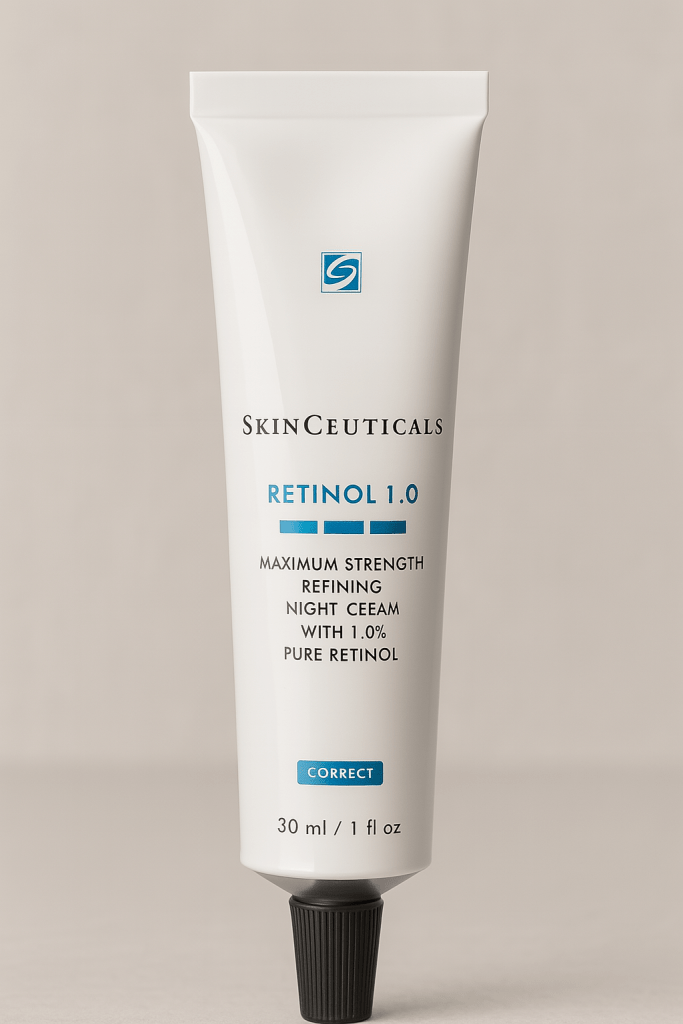
Definitely one of the more pricey retinol but using this, every other day, a small pea sized amount does last for a couple of months.
How to Apply
After cleansing your face, I would go for a soothing toner such as Pyunkang Yul Essence, (read more about this toner here!) followed by a calming serum to help buffer the retinol.
Buffering is simply applying something underneath your retinol to help mitigate its effects so it dilutes its strength, prevents excessive dryness, and reduces irritation. As a sensitive girly, this step is important.
Ensure your calming serum has completely dried down before moving onto retinol since a damp/wet face increases your absorption of the retinol which for sensitive skin is just asking for more irritation.
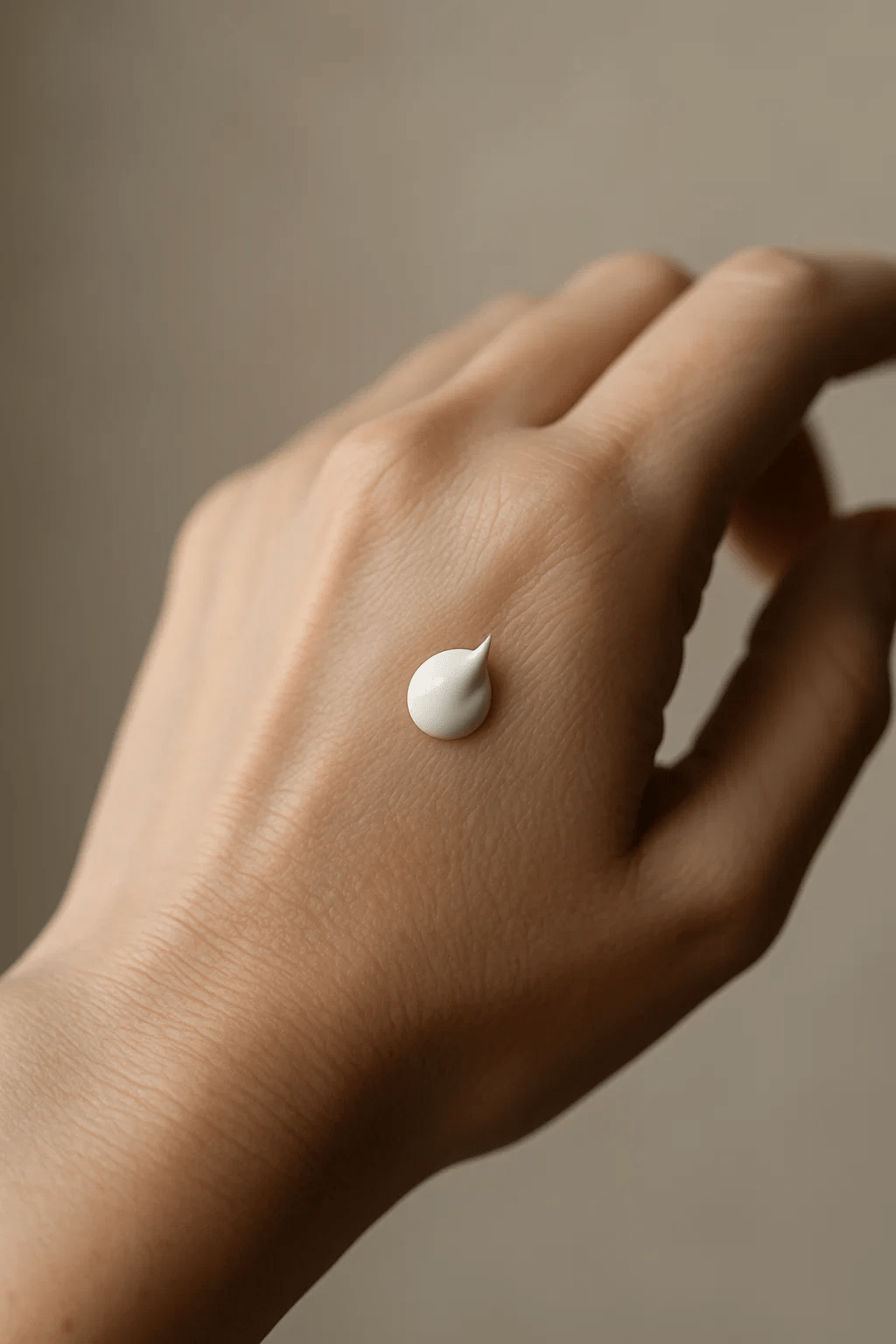
On a dry face, starting with the lowest strength retinol, usually at .1% , you take a small pea sized amount onto your hands and spread that small amount all over your face.
After applying, wait about 10ish minutes before moving onto your next step in your routine to further avoid irritation. I’ve found by allowing more time for my retinol to completely dry, my skin the next day is not as sensitive.
Avoid using any other actives in your night time routine if using retinol that night to avoid any other effects from retinol.
On what schedule?
If you are just starting out and have sensitive skin, I would just begin with 1x a week and always at night with the lowest strength possible. As your skin starts to adapt to retinol, you can increase the frequency.
Once fully adapted, applying every other day is enough to get full benefits of retinol while also ensuring you don’t aggravate you skin barrier to much.
Prevent/Mitigate Side effects
Purging
You might notice a flare up of acne after starting to use retinol. This is normal and can be expected. Try to stick with your routine/schedule since this phase of acne will subside in a few weeks. Try to calm your inflammation and redness with a barrier repair serum and hydrating moisturizers.
Dryness + Skin Peeling
This is the effect that I still deal with even after using retinol for over 5 years. After putting on my barrier repair serum and retinol and letting it completely dry within 10 minutes, I like to use a thick moisturizer on top to help with any dryness. Sometimes, a thin layer of vaseline on top of my moisturizer really helps lock in the moisture, and prevents my skin from feeling tight.
Inflammation
Acne and dryness flares are most definitely irritating to your skin barrier resulting in redness and itching. Once again your barrier repair serum and routine will be the best to mitigate any inflammation and give your skin time to repair and get used to retinol. If you have a inflammation, it will be best to take a break from you retinol and come back to it once your skin is healed.
Always listen to your skin and what she is trying to tell you. Your skin feels tight and dry? Stop or reduce your retinol usage and repair your skin. You have acne and flares – take a break! Rome wasn’t built in a day and like all skin care regimes, it takes time 😘.
Be kind to your skin, loves ❤️


